#patent law
#patent law
[ follow ]
#patent-law #federal-circuit #uspto #intellectual-property #supreme-court #cafc #inter-partes-review
#patent-law
Intellectual property law
fromIPWatchdog.com | Patents & Intellectual Property Law
1 week agoPatents, Property Rights, and What Patent Policy Keeps Getting Wrong | IPWatchdog Unleashed
Patent law should be treated as property rights that incentivize risk, disclosure, commercialization, and investment rather than as problems to constrain.
Intellectual property law
fromIPWatchdog.com | Patents & Intellectual Property Law
1 week agoOther Barks & Bites for Friday, May 15: PTAB Decisions on Inconsistent Claim Arguments Marked Informative; Bill Moving Copyright Office to Executive Branch Moves to House Floor; CJEU Upholds Right of Fair Compensation for Publishers
Multiple legal and business developments affect patent enforcement, licensing, trademark analysis, and agency decision-making.
Intellectual property law
fromIPWatchdog.com | Patents & Intellectual Property Law
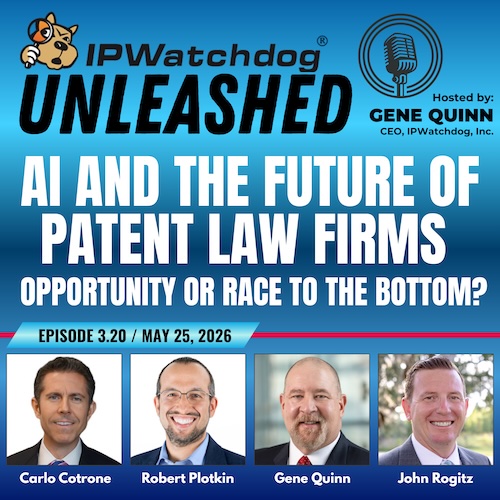
1 day agoPatent Law Firms Face an AI Reckoning: The New Economics of Patent Practice | IPWatchdog Unleashed
AI improves patent work but cannot replace expert legal judgment; effective use is incremental, lawyer-directed, and firms must adapt beyond price competition.
Intellectual property law
fromIPWatchdog.com | Patents & Intellectual Property Law
2 days agoCAFC Affirms Dual PTAB Rulings Invalidating Pictometry's Aerial Roof-Measuring Patents
Excluding fundamental claim embodiments from coverage is highly disfavored, and PTAB obviousness findings were affirmed for both patents.
Intellectual property law
fromIPWatchdog.com | Patents & Intellectual Property Law
6 days agoFederal Circuit Affirms PTAB Ruling That Samesurf's Shared Browsing Patent Claims Are Unpatentable
Claims are not limited to a single described embodiment absent a clear intent to limit, and the Board’s claim construction supported obviousness findings.
Intellectual property law
fromIPWatchdog.com | Patents & Intellectual Property Law
1 week agoPatents, Property Rights, and What Patent Policy Keeps Getting Wrong | IPWatchdog Unleashed
Patent law should be treated as property rights that incentivize risk, disclosure, commercialization, and investment rather than as problems to constrain.
Intellectual property law
fromIPWatchdog.com | Patents & Intellectual Property Law
1 week agoOther Barks & Bites for Friday, May 15: PTAB Decisions on Inconsistent Claim Arguments Marked Informative; Bill Moving Copyright Office to Executive Branch Moves to House Floor; CJEU Upholds Right of Fair Compensation for Publishers
Multiple legal and business developments affect patent enforcement, licensing, trademark analysis, and agency decision-making.
#trade-secrets
fromIPWatchdog.com | Patents & Intellectual Property Law
5 days agoIntellectual property law
Other Barks & Bites for Friday, May 22: CAFC Vacates Improper Rejection of Unjust Enrichment in Trade Secret Case; EU Call for Evidence Targets Generative AI's Impact on Copyright; and Director Squires Argues CAFC's Lack of Jurisdiction to Hear InComm Appeal
Intellectual property law
fromIPWatchdog.com | Patents & Intellectual Property Law
5 days agoOther Barks & Bites for Friday, May 22: CAFC Vacates Improper Rejection of Unjust Enrichment in Trade Secret Case; EU Call for Evidence Targets Generative AI's Impact on Copyright; and Director Squires Argues CAFC's Lack of Jurisdiction to Hear InComm Appeal
Federal Circuit vacated a district court ruling that unjust enrichment damages were unavailable under MUTSA, restoring a jury’s $22.4 million trade secret award.
Intellectual property law
fromIPWatchdog.com | Patents & Intellectual Property Law
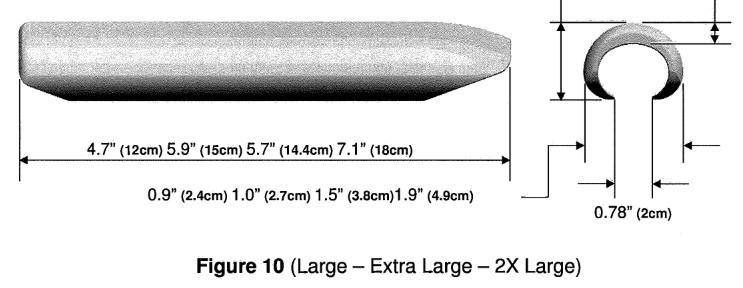
1 month agoFederal Circuit Reverses Trade Secret and Patent Invalidity Rulings in Penile Implant Dispute
The Federal Circuit reversed a lower court's ruling on trade secret misappropriation and patent invalidity claims in a case involving cosmetic penile implants.
Intellectual property law
fromIPWatchdog.com | Patents & Intellectual Property Law
2 years agoCAFC Partially Reverses Noninfringement Judgment But Scraps IBM Web Advertising Claims as Ineligible
Chewy's privacy policy indicates it delivers ads based on individual user interaction history, according to the CAFC ruling.
#uspto




Intellectual property law
fromPatently-O
2 months agoBipartisan Skepticism Greets Director Squires at First House Oversight Hearing
The House Judiciary Subcommittee hearing addressed various USPTO issues under Director John Squires, revealing bipartisan skepticism and concerns over patent quality and IPR changes.
Intellectual property law
fromIPWatchdog.com | Patents & Intellectual Property Law
3 weeks agoWhat the USPTO's Reexamination Remand for HID Means for Estoppel, Timing and Strategy
The USPTO clarified that estoppel attaches at the IPR final decision, preventing reexamination requests during IPR pendency.
Intellectual property law
fromIPWatchdog.com | Patents & Intellectual Property Law
3 weeks agoThe Latest Attempt to Expose SAWS Highlights Structural Flaws at the USPTO
The USPTO's secret examination docket violates federal law and lacks transparency, particularly highlighted by the SAWS program's suppression of patent applications.
Intellectual property law
fromIPWatchdog.com | Patents & Intellectual Property Law
5 years agoNewly Created First Action Final Rejection Policy Adds Needless Complications to Patent Prosecution
The USPTO's new policy allows first action final rejections on amended claims, limiting patent applicants' options significantly.
Intellectual property law
fromPatently-O
2 months agoBipartisan Skepticism Greets Director Squires at First House Oversight Hearing
The House Judiciary Subcommittee hearing addressed various USPTO issues under Director John Squires, revealing bipartisan skepticism and concerns over patent quality and IPR changes.
#federal-circuit
Intellectual property law
fromIPWatchdog.com | Patents & Intellectual Property Law
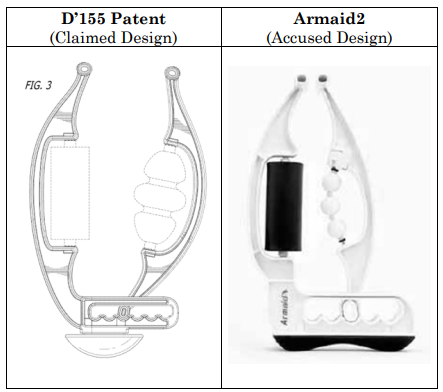
3 weeks agoFederal Circuit Vacates PTAB Obviousness Determination and Holds Real Party in Interest Challenge Unreviewable
The Federal Circuit vacated the PTAB's decision on Federal Express's patent, emphasizing jurisdictional limits on IPR reviews.
Intellectual property law
fromIPWatchdog.com | Patents & Intellectual Property Law
3 weeks agoFederal Circuit Vacates PTAB Obviousness Determination and Holds Real Party in Interest Challenge Unreviewable
The Federal Circuit vacated the PTAB's decision on Federal Express's patent, emphasizing jurisdictional limits on IPR reviews.
#intellectual-property
Intellectual property law
fromIPWatchdog.com | Patents & Intellectual Property Law
3 weeks agoOther Barks & Bites for Friday, May 1: EU Lands on USTR's Special 301 Watch List; Battery Recycling Patent Families Increase Seven-Fold in Past Decade; and Google Cert Petition Challenges Settled Expectations Doctrine
The U.S. Trade Representative's Special 301 Report highlights IP issues in the EU and identifies Vietnam as a Priority Foreign Country for IP protection.
Intellectual property law
fromIPWatchdog.com | Patents & Intellectual Property Law
2 months agoIPWatchdog LIVE 2026: Judge Newman and Michel Present Awards, Panelists Outline Uphill Battle for Global IP and Drug Patents
The global IP landscape requires improvements for greater certainty and predictability, as emphasized by Judge Pauline Newman.
#supreme-court
Intellectual property law
fromIPWatchdog.com | Patents & Intellectual Property Law
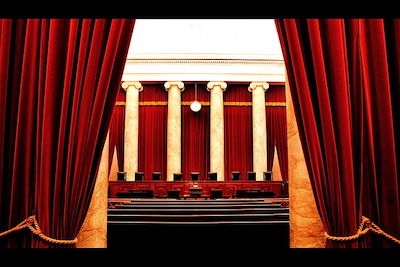
3 weeks agoHot Takes: What the Oral Arguments in Hikma/ Amarin Revealed
The Supreme Court's hearing on Hikma v. Amarin raises concerns about the implications for generic pharmaceuticals and the inducement standard in patent law.


Intellectual property law
fromIPWatchdog.com | Patents & Intellectual Property Law
3 weeks agoHot Takes: What the Oral Arguments in Hikma/ Amarin Revealed
The Supreme Court's hearing on Hikma v. Amarin raises concerns about the implications for generic pharmaceuticals and the inducement standard in patent law.
Intellectual property law
fromIPWatchdog.com | Patents & Intellectual Property Law
4 weeks agoJustices Voice Concern that Upholding CAFC's Hikma 'Skinny Label' Ruling Will Harm Generics Industry
The Supreme Court case examines induced infringement claims related to generic drug marketing and its implications for the pharmaceutical industry.
fromIPWatchdog.com | Patents & Intellectual Property Law
4 weeks agoAs Judge Albright Prepares to Leave the Bench, A Look Back on His Patent-Friendly Tenure
Judge Albright's courtroom had gained a reputation as a rocket docket for patent cases thanks to the development of local rules focused on patent cases and a lawyer-friendly approach built upon Judge Albright's own deep experience with patent law.
Intellectual property law
Intellectual property law
fromIPWatchdog.com | Patents & Intellectual Property Law
9 years agoPatent Drafting 101: The Basics of Describing Your Invention in a Patent Application
Drafting a patent application requires understanding and experience, which can be gained through reading and learning about existing patents.
Intellectual property law
fromIPWatchdog.com | Patents & Intellectual Property Law
1 month agoGamevice Considers SCOTUS Cert Petition Over Alleged Procedural Improprieties in Nintendo Switch Patent Case
Gamevice contests Nintendo's motion to vacate a judgment invalidating its patent claims related to handheld computing accessories.
Intellectual property law
fromIPWatchdog.com | Patents & Intellectual Property Law
1 month agoThe Supreme Court Picks the Wrong Patent Fight in Hikma v. Amarin
The Supreme Court's decision in Hikma v. Amarin reflects a focus on drug pricing over patent law uncertainties affecting pharmaceutical innovation.
Intellectual property law
fromIPWatchdog.com | Patents & Intellectual Property Law
1 month agoOther Barks & Bites for Friday, April 10: DISH Wins Copyright Appeal Over Arabic TV Retransmissions; Fifth Circuit Awards Google Transfer on Mandamus; and Third Circuit Says Online Publication of Copyrighted Building Codes is Transformative
The article covers significant legal developments in copyright and patent issues, including court rulings and corporate partnerships in the AI sector.
#obviousness-type-double-patenting
Intellectual property law
fromIPWatchdog.com | Patents & Intellectual Property Law
1 month agoAmicus, Sanofi Urge USPTO Appeals Panel to Uphold Ex Parte Baurin's Approach to ODP Analysis
Judges have consistently ruled on obviousness-type double patenting, emphasizing the need for clarity in term extension evaluations.
Intellectual property law
fromIPWatchdog.com | Patents & Intellectual Property Law
1 month agoPatent Monetization: Markets, Misaligned Incentives, and the AI Inflection Point | IPWatchdog Unleashed
The incentive structure for innovation has eroded, disadvantaging individual inventors and leading to a decline in long-term innovation output.
Intellectual property law
fromIPWatchdog.com | Patents & Intellectual Property Law
1 month agoTesla Partially Succeeds at CAFC with Ruling Finding Some EV Charging Claims Obvious
The CAFC affirmed, reversed, and vacated parts of the PTAB's decision regarding Tesla's challenge to Charge Fusion's patent on electric vehicle charging.
Intellectual property law
fromIPWatchdog.com | Patents & Intellectual Property Law
2 months agoCAFC Affirms District Court's Denial of Mandatory Stay for ITC Respondent Who Voluntarily Dismissed Complaint
Ascendis Pharma's motion for a mandatory stay was denied due to its voluntary dismissal of the original complaint.
[ Load more ]